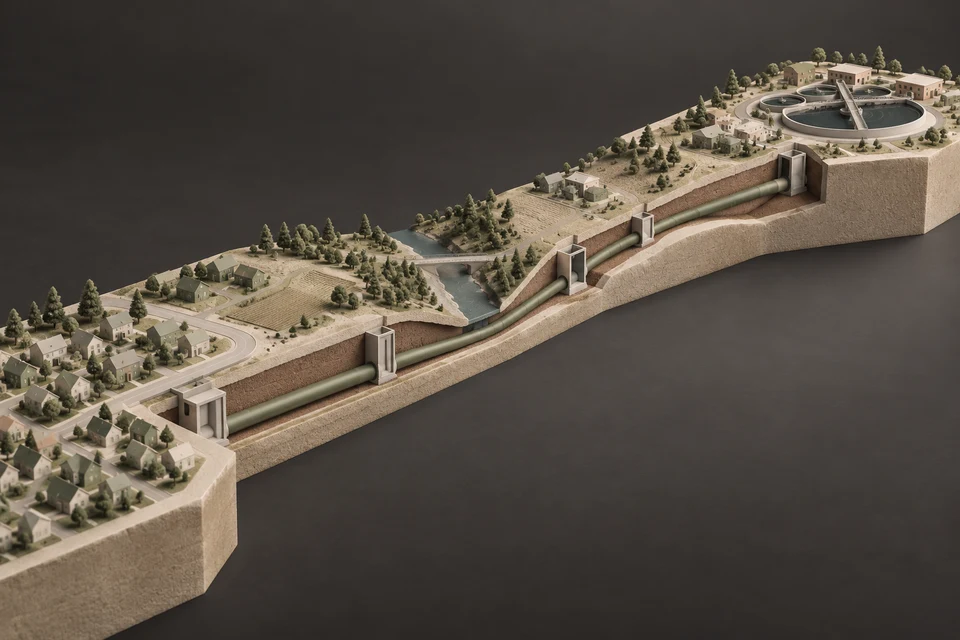
The City of Calgary maintains the public sanitary system: mains, manholes, lift stations and the City-owned part of each service line. Its crews answer sewer emergencies every day, run a steel cable from your cleanout to decide whether a blockage is public or private, inspect mains with cameras, line service pipes from May to December and replace ageing mains from April to October.
- City crews respond to sewer emergencies every day of the year and use a steel snake from the house cleanout to find out whether a blockage is on private or public property.
- The City's Sanitary Lateral Lining Program puts liners inside existing service pipes from May to December, with each connection out of service for about two to three hours.
- Sanitary main replacements run from April to October and each is expected to take two to four weeks, with at least a day's notice of any service disruption.
- Any contractor who needs to divert a City sewer must submit an engineer-signed bypass pumping plan at least six weeks before work begins.
- The City's service line records show relining climbing from 832 CIPP records dated in the 2010s to 3,153 in the 2020s so far.
01 /What does the City of Calgary maintain, and what is left to owners?
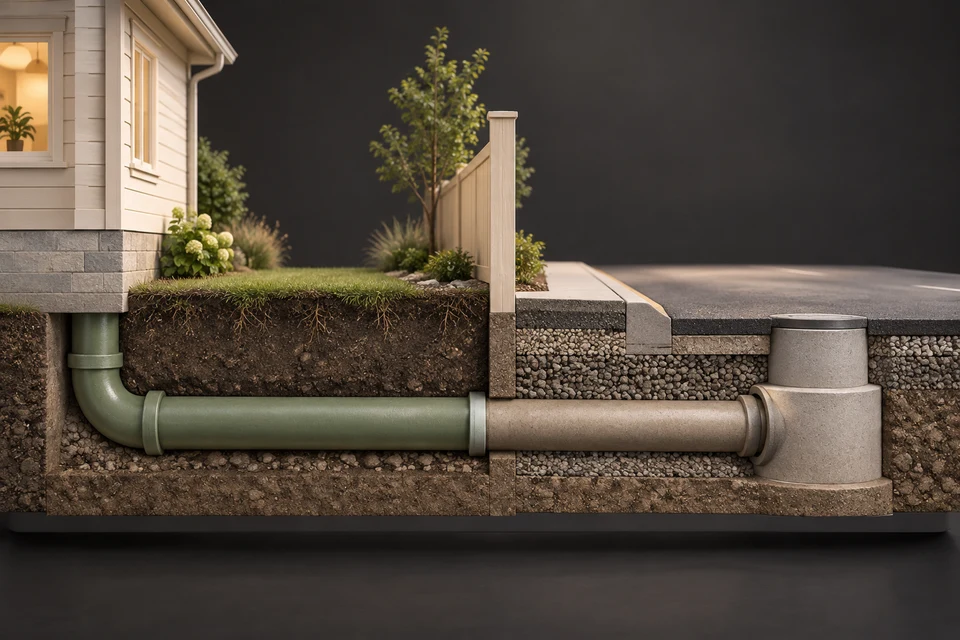
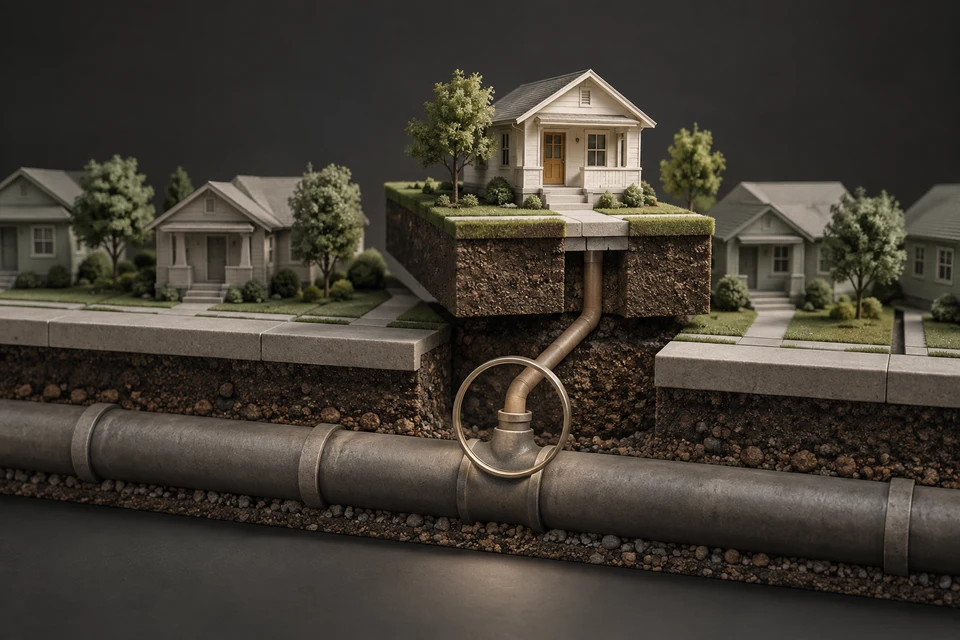
The City maintains everything from the property line outward. Its service line dataset describes the split plainly: the City owns and maintains the sanitary pipe from the main to the property line, and the homeowner owns and maintains it from the property line to the house. Everything downstream, from the mains to the treatment plants, is the utility's.
| Asset | Maintained by | Typical City activity |
|---|---|---|
| Plumbing inside the house, traps, cleanout | Owner | None; the City asks owners to keep the cleanout accessible |
| Service line, house to property line | Owner | None, beyond diagnosing blockages on a backup call |
| Service line, property line to main | City | Repair, lining under the Sanitary Lateral Lining Program |
| Sanitary mains and manholes | City | Camera inspection, cleaning, break repair, replacement |
| Lift stations and trunk sewers | City | Operation, upgrades, capacity projects |
| Treatment plants | City | Continuous operation and upgrades |
Which side a problem sits on decides who pays, so the boundary is worth understanding in detail; who owns the sewer line in Calgary covers it. The rest of this page describes what the City does on its side, and how you can see that work in the public record.
02 /What does a City crew do when you report a sewer backup?
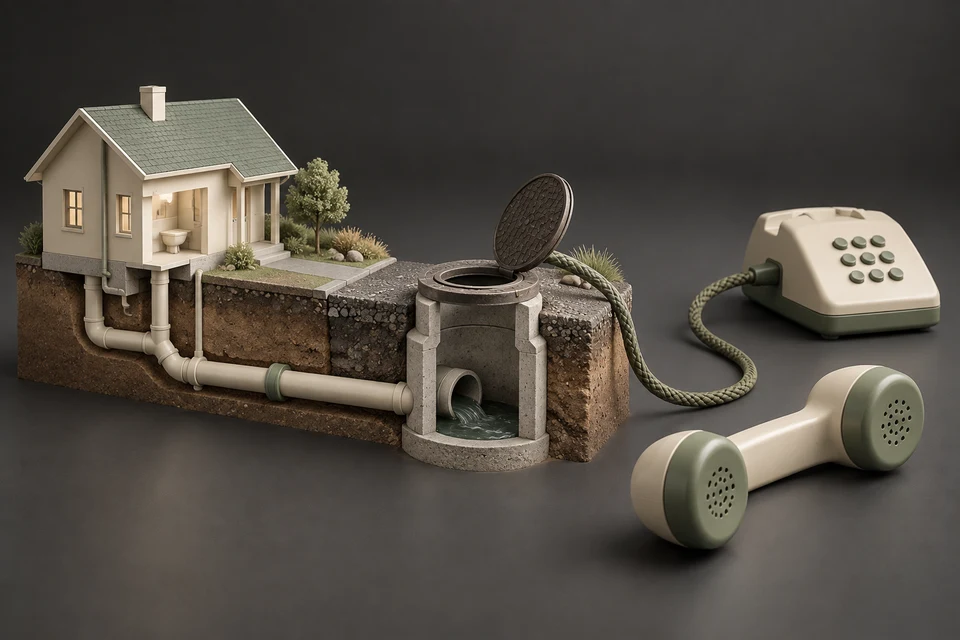
It diagnoses rather than repairs. The City's customer guide for sewage backups, issued by Water Services in January 2016, says crews are available for the initial investigation of sewer emergencies every day of the year, and sets out what happens on site.
- You prepare access
Clear a path to the cleanout, clean around it, and clear about two metres (six feet) in front of it so the crew can set up. If carpet, flooring or drywall covers the cleanout, exposing it is the owner's job.
- The crew opens the cleanout
If the cap will not open, the crew asks for written permission before removing it. If there is no usable cleanout, they may try from a stack, which is harder and not always possible.
- A steel snake goes to the main
The crew runs a long coiled steel cable from the cleanout to the sewer main to find where the blockage is, on private or public property.
- You run water to test
The crew asks you to run water to confirm the line is flowing, and may repeat the test.
- You get a report
The crew leaves a copy of its Customer Service Report with information on next steps. If the blockage is on the private side, the guide says the crew will advise calling a plumber, even if the diagnostic run cleared it.
The guide's own description of causes is candid: in household plumbing the main culprits are fats, oils and grease, hair, dental floss and solids such as disposable towels, diapers and wipes. The City's current backup page may add detail to this 2016 guide, so check it before you call. Practical, symptom-first help for a backup in progress is the territory of CalgarySewers.com.
03 /How does the City find and renew failing sewer pipes?
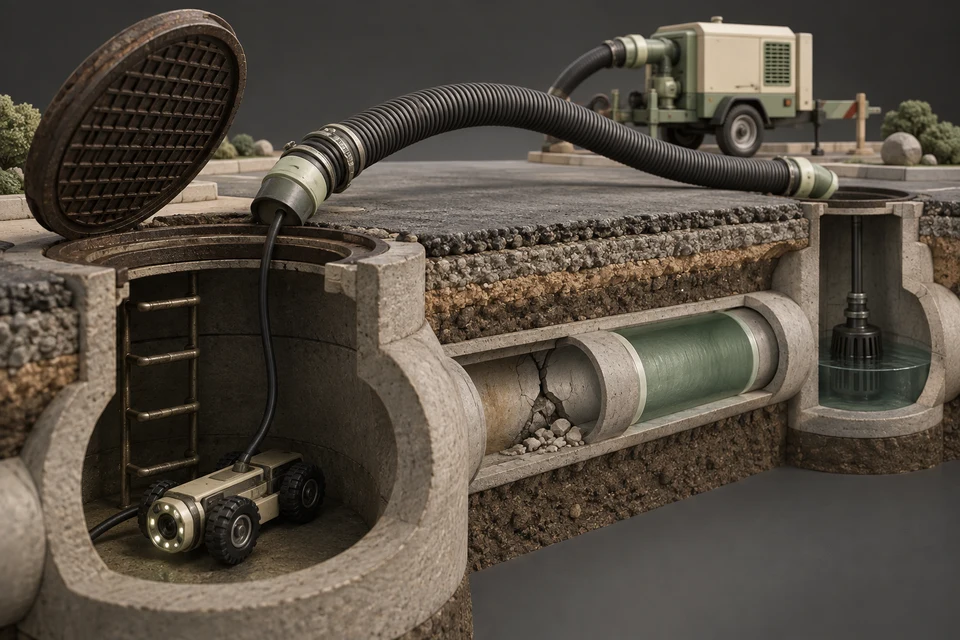
With cameras first, then lining or replacement. The City's lining program page describes four phases, all worked from manholes: cameras assess the lines, tools clean them, tools install the liner, and cameras check the finished result. The City's construction projects page describes two standing programs for the sanitary system.
| Program | What it does | Season | What residents notice |
|---|---|---|---|
| Sanitary Lateral Lining Program | Installs liners inside existing sanitary service pipes using trenchless methods | May to December | The connection is out of service for about two to three hours; the program page says approximately three, with no water use during that time |
| Sanitary main replacement program | Replaces ageing sanitary mains using conventional construction | April to October | Two to four weeks of work per main; advance notice to nearby residents, and at least a day's notice of any service disruption |
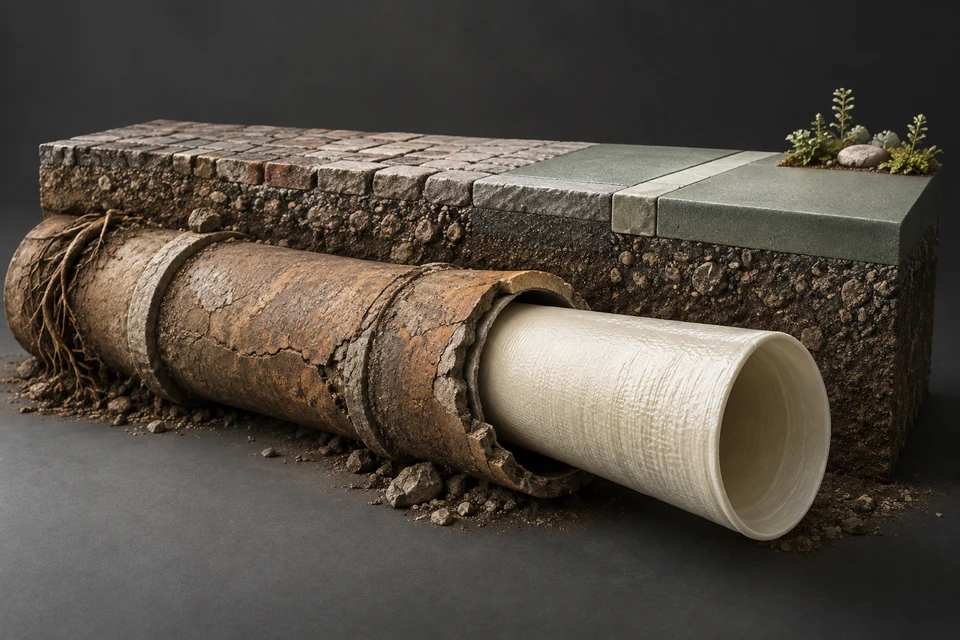
The City describes lining as less costly overall and less disruptive to the community than digging and replacing, and it suits pipes that are still round and in line: a cured-in-place liner forms a new pipe inside the old one and leaves the street intact. Replacement is used when a main has collapsed, sagged or lacks capacity. The City notes that construction length varies with soil, existing utilities and weather. How lining shows up in the records, community by community, is analysed in Calgary sewer history and renewal.
04 /What happens when a City sewer main breaks?
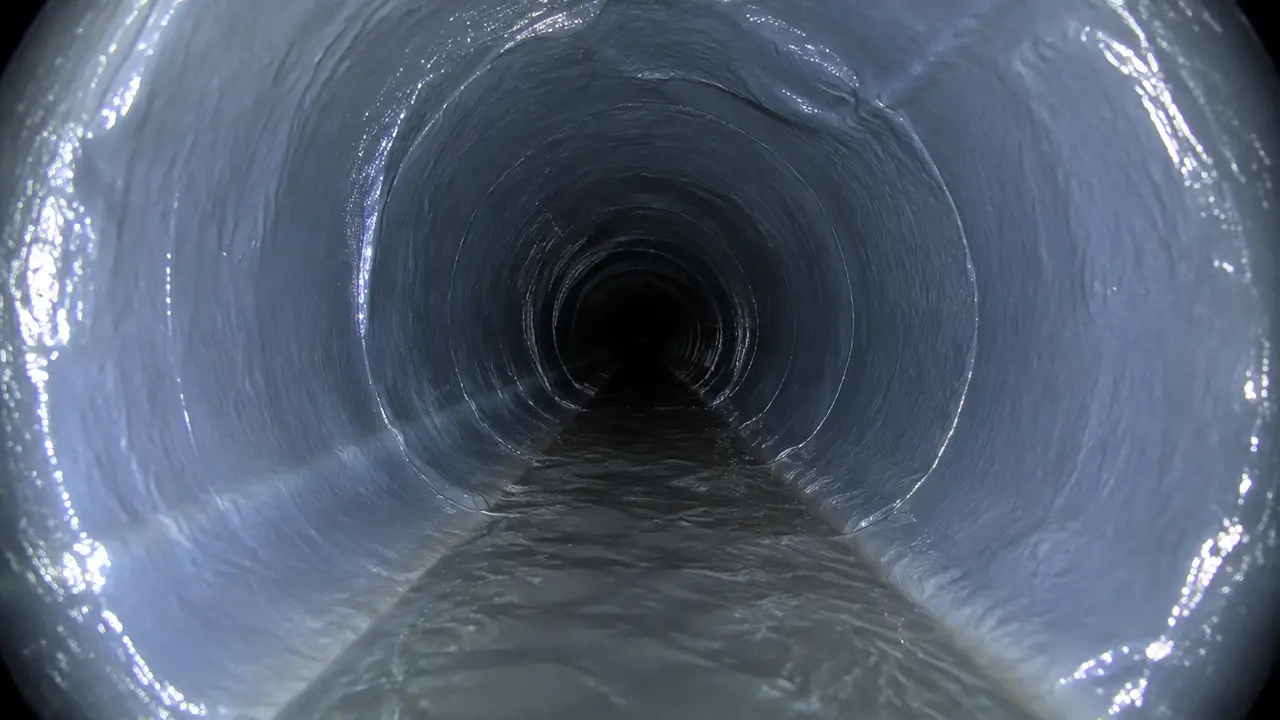
Crews repair it urgently, and the houses on that main have to stop sending water down the drain. The City's sanitary main break page says a break is usually reported by a resident, road crews, 311 or another party, and that crews assess the site and repair the pipe in the way best suited to its conditions.
Breaks are one reason the service line record matters beyond your own lot. Where a main is replaced, the City's record for the connected service lines may change too, so a lookup made before and after a project can give different answers. Use the Service Line Lookup to check the current City record for an address.
05 /How does Calgary keep sewage flowing during construction?
Through temporary bypass pumping under rules the City published in its Sewer Bypass Pumping Guidelines of January 2018. When a main or manhole has to be taken out of service, pumps draw sewage from an upstream manhole and discharge it downstream through temporary pipe, so the houses above the work keep draining. The guidelines apply to any construction activity that needs a temporary diversion of a City sewer.
| Requirement | Detail in the guidelines |
|---|---|
| Timing | Submitted to Water Services at least six weeks before work, and approved before any equipment is mobilized |
| Engineering | Design plans and calculations reviewed and signed by a Professional Engineer registered in Alberta |
| Redundancy | A back-up plan for pumps, power and piping |
| Flow | Minimum and maximum sanitary flows to be bypassed and how they will be monitored; storm bypasses sized for the 1:2 year storm unless the design engineer decides otherwise |
| Spill response | A site-specific plan for pump failures, overflows, service backups and spills, kept on site |
| Upstream protection | Procedures to monitor upstream mains for backup impacts |
| Noise | Low-noise pumps and generators in residential areas, with sound attenuation where needed |
| Regulation | Compliance with Alberta's Release Reporting Regulation (AR 117/1993) and Wastewater and Storm Drainage Regulation (AR 119/1993), the City's sewer and waterworks specifications, Wastewater Bylaw 14M2012 and Drainage Bylaw 37M2005 |
If you see pumps and hoses running between manholes on your street, this is what they are. The rules exist because a failed bypass is a sewage spill, the risk examined in sewage leaks and the Bow River. Report a leaking hose or overflowing manhole to 311 straight away.
06 /What do the City's records show about maintenance on the service lines?
They show relining accelerating. In the City's Public Sanitary Service Lines dataset, a CIPP record usually carries the date the line was relined, not the date it was first laid. Counting CIPP records by decade gives a rough picture of the City's lining activity on the public portions of residential service lines.
| Decade on record | CIPP records | Context |
|---|---|---|
| 1990s | 1 | Essentially none |
| 2000s | 45 | Occasional early lining |
| 2010s | 832 | Program-scale lining begins |
| 2020s (to September 2026) | 3,153 | Nearly four times the 2010s total in under seven years |
Across the city, 4,113 of 367,397 public service line records, about 1.1%, are coded CIPP. The records cover only the City-owned portion, from the main to the property line; a relined City portion says nothing about the private pipe on your side, which can be a different material and age. Large commercial and multi-family services are not in the data. To see how much lining your community has had, open the Community Sewer Atlas.
If a City crew or a camera inspection finds a defect at or beyond your property line, report it to 311 with the footage and distances. For work on your own side, you can request quotes from contractors and ask each to show where the property line falls on the video.
FAQQuestions people ask
Does the City of Calgary clean sewer lines?
The City maintains its own mains and the City-owned portion of service lines, and its crews run a steel snake from your cleanout on a backup call to find where a blockage is. Cleaning and repairs on the private side, from the house to the property line, are the owner's responsibility.
How long does a City of Calgary sanitary main replacement take?
The City says each sanitary main replacement is expected to take two to four weeks, with construction running from April to October. Soil, other utilities and weather can extend it.
Will my sewer be shut off during City sewer work?
The City says there are no planned service disruptions for main replacements, and affected customers get at least a day's notice if one is needed. Under the lateral lining program, each connection is out of service for about two to three hours.
What are the City of Calgary sewer bypass guidelines?
They are the City's January 2018 Sewer Bypass Pumping Guidelines. They require an engineer-signed bypass plan submitted six weeks before work, back-up pumps and power, a spill response plan and compliance with provincial release reporting rules.
Can I use water while the City repairs a sewer main on my street?
The City asks residents on the affected main not to flush, shower or run dishwashers and washing machines during the repair, and to cover sinks and drains.
How do I know if the City has relined my service line?
Look up your address in the City's open data or with this site's Service Line Lookup. A material code of CIPP means the City-owned portion has been relined, and the date shown is usually the relining date.
NETWORKGo deeper across the HAUSE Sewer network
Emergency and after-hours sewer service pricing
Emergency sewer service pricing in Canada (2026): after-hours call-out fees and surcharges in CAD, what to authorise at 2 a.m., and what can wait.
SewerCleaners.caWhere is my backwater valve? How to find it, recognize it and open the cover
Where is the backwater valve in a house? How to find it, what it looks like, what access box, sleeve and cover mean, how to open it safely, and valve alarms.
SewerInspector.caCondo and multi-unit sewer inspections: who scopes what
Condo and multi-unit sewer inspections: shared vs unit piping, what boards should scope, what buyers should ask for, and access in occupied buildings.
SOURCESSources and further reading
- City of Calgary — Help us help you respond to a sewage backup (customer guide)
- City of Calgary — Water construction projects, upgrades and repairs
- City of Calgary — Sanitary Lateral Lining Program
- City of Calgary — Sewer Bypass Pumping Guidelines (January 2018)
- City of Calgary open data — Public Sanitary Service Lines (xesp-3jc3)